


Building AI for HR policies without breaking access control

Blissbook helps organisations write employee handbooks, distribute policies and track acknowledgements. We started with its notification system in 2025 and now build across the core product, including AI that works inside each organisation’s access rules.

Used by

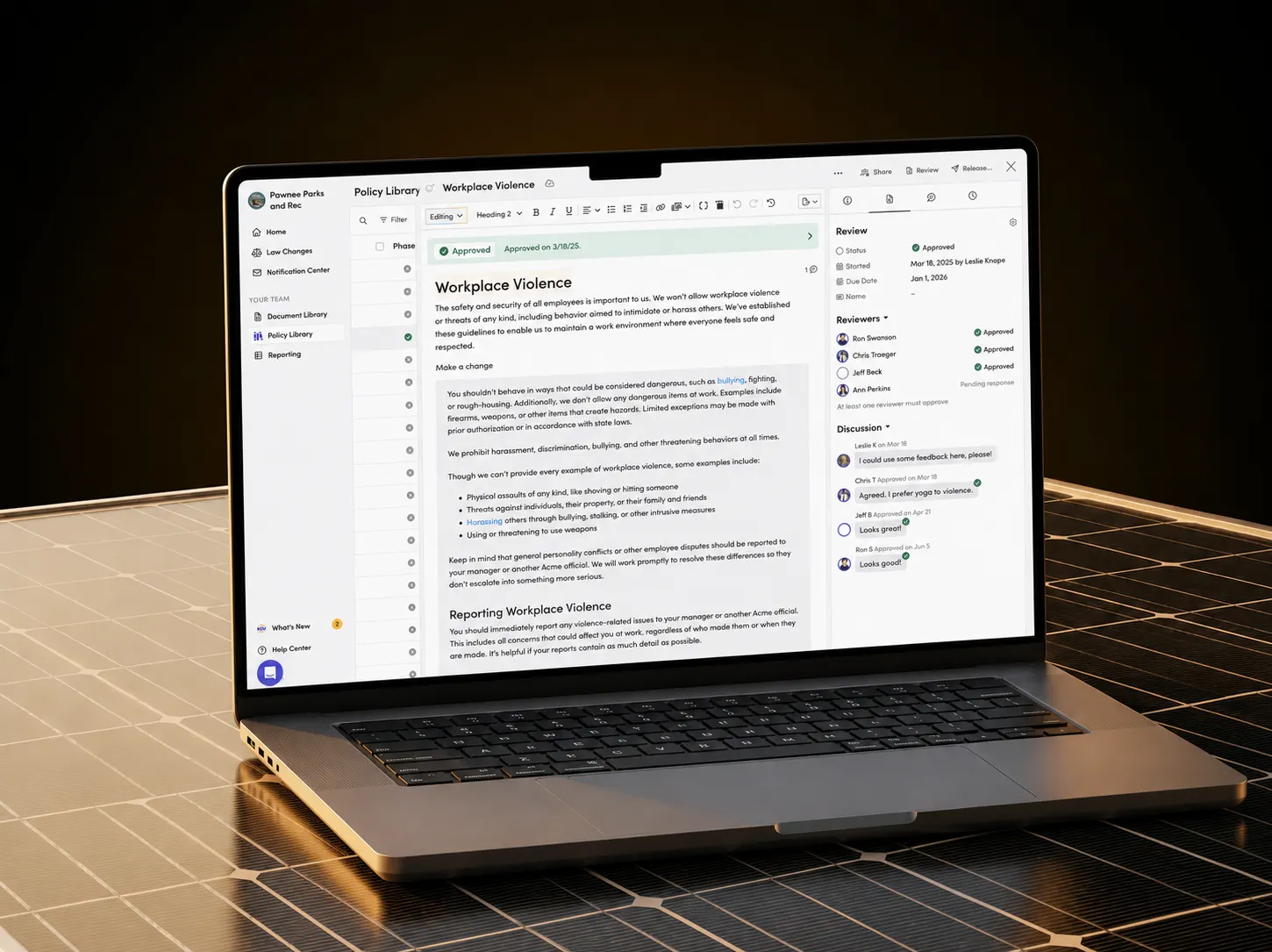
Blissbook on a laptop: a workplace-violence policy open in the editor, with its approval status, reviewers and discussion thread alongside
Industry
HR technology & policy management
Engagement
Workshops → Specialists
Scope
AI features, core product, reporting, infrastructure
Timeline
Since 2025, ongoing

The situation

AI that has to follow the same access rules as the policies

Blissbook helps organisations write employee handbooks, distribute policies, track acknowledgements and keep a record of how each policy changed. Its customers range from fast-growing startups to Fortune 500 companies.

Our work began in 2025 with a workshop on its notification system, which had no central, simple view of how notifications were configured, sent and managed across documents and teams. We proposed an approach and built the notification centre. The work then grew into AI features, reporting and infrastructure.

Access control made the AI work hard. People in the same organisation see different policies, and different sections within one policy: an employee in Mexico may see only what applies in Mexico. An assistant that retrieved a restricted section would not just give a wrong answer. It would expose content the employee is not allowed to read.
What we built

An assistant that only reads what the employee may see

We built the policy assistant on AWS Bedrock and OpenSearch, with a separate search index for each organisation. Before it retrieves anything, the assistant works out which sections of each policy the employee is permitted to see, nested sections included, so restricted text is never retrieved. It applies Blissbook’s existing access rules, so there is no second permission system for the AI to fall out of step with.

Every answer cites the policy sections it came from. When the policies do not support an answer, the assistant says so and points the employee to a person instead of guessing. When two sources disagree, it warns the employee rather than choosing one. Chat history is encrypted at rest.

A nightly evaluation suite checks answer quality, references and the handling of unsupported questions, and alerts the team when a change makes them worse.

Across the product

AI Check, and the core product around it

We built AI Check. Each organisation turns its own policy standards and guidelines into skills, reusable rules written in its own terms, and AI Check reviews a policy against them. Its suggestions appear inline in the editor, where the author accepts or rejects each one. The policy text and skill version behind every analysis are stored, so each suggestion can be traced to what produced it.

The document history report brings together policy versions, highlighted changes, review activity and annotations for selected policies and dates. Organisations export it for their auditors, who check what was in force and how it changed.

Beyond the AI, we develop the core product day to day, alongside Blissbook’s own engineers.

The outcome

AI enabled across more than 2,000 organisations

Since the AI features launched in March 2026, more than 2,000 customer organisations have enabled them, on a platform serving more than 500,000 people with over 100,000 document versions in its history.

We also developed the AWS infrastructure in Terraform, which lowered its running costs, added a disaster recovery strategy and made the platform more secure.

The engagement is ongoing. Our engineer is now a core member of Blissbook’s product team, working directly with its CEO.

Outcomes

  • 2,000+

    Organisations with the AI features enabled

    Since the features launched in March 2026

  • 500,000+

    People served by Blissbook

    Across the client’s platform, including existing customers

  • 100,000+

    Document versions on the platform

    Platform history available to the reporting features

What we shipped

  • Policy assistant with section-level access control and cited answers
  • AI Check: policy review against each customer’s own guideline skills
  • Nightly evaluation suite, conflict warnings and encrypted chat history
  • MCP server for working with policies through compatible AI applications
  • Notification centre, scoped in a workshop and then built
  • Document history reports that organisations export for their auditors
  • Day-to-day development across the core product
  • AWS infrastructure in Terraform, with disaster recovery and lower costs

Built with

AI & retrieval

  • AWS Bedrock
  • OpenSearch
  • MCP

Platform

  • React
  • Express
  • GraphQL
  • MySQL
  • Redis
  • CKEditor

Operations

  • AWS ECS
  • Terraform
  • CloudFront

Other engagements, other constraints.

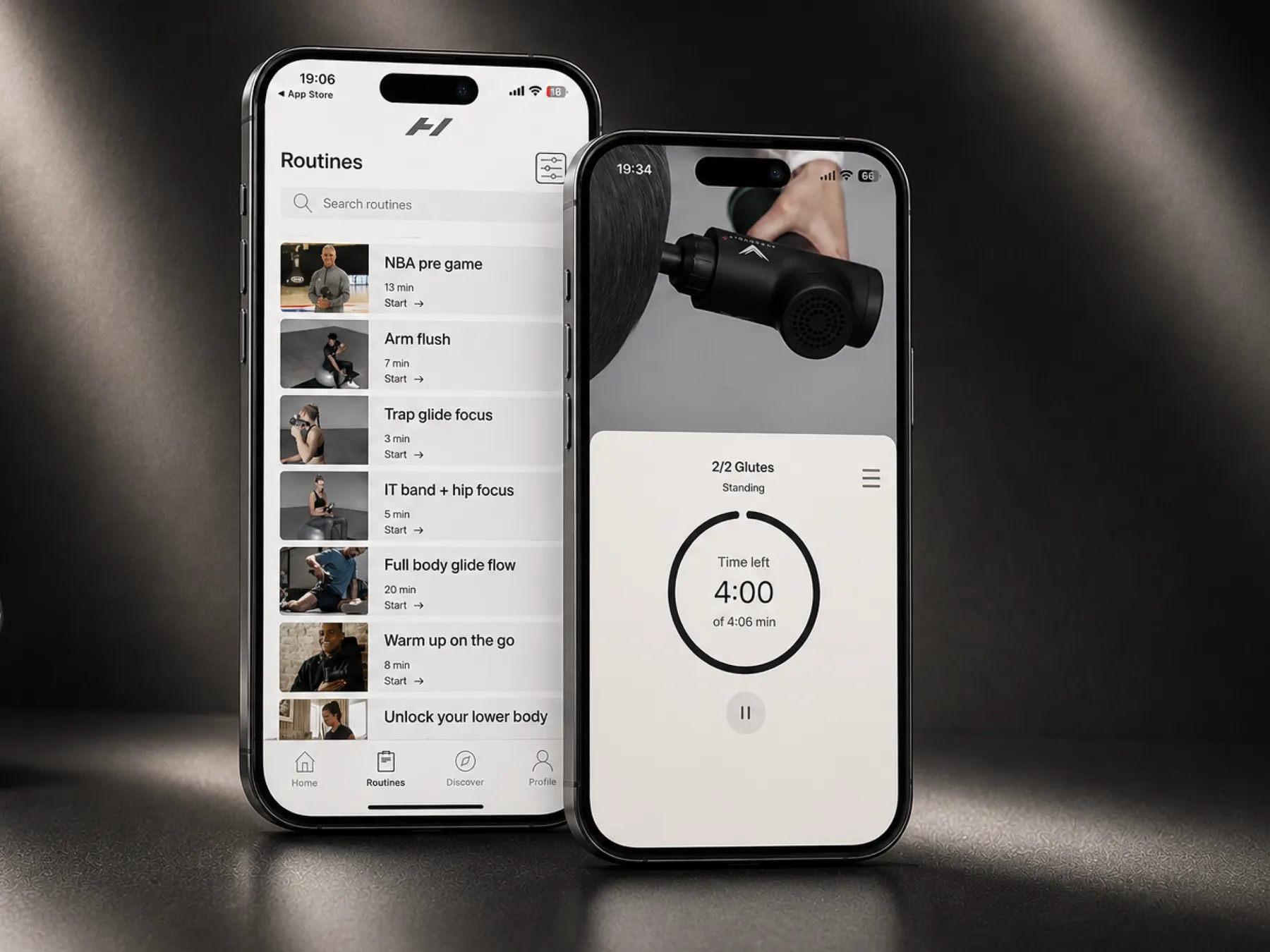
  • The Hyperice app open on a phone, beside a Hyperice massage gun

    Hyperice

    Backend rewrite for the HyperSmart app, four weeks before launch

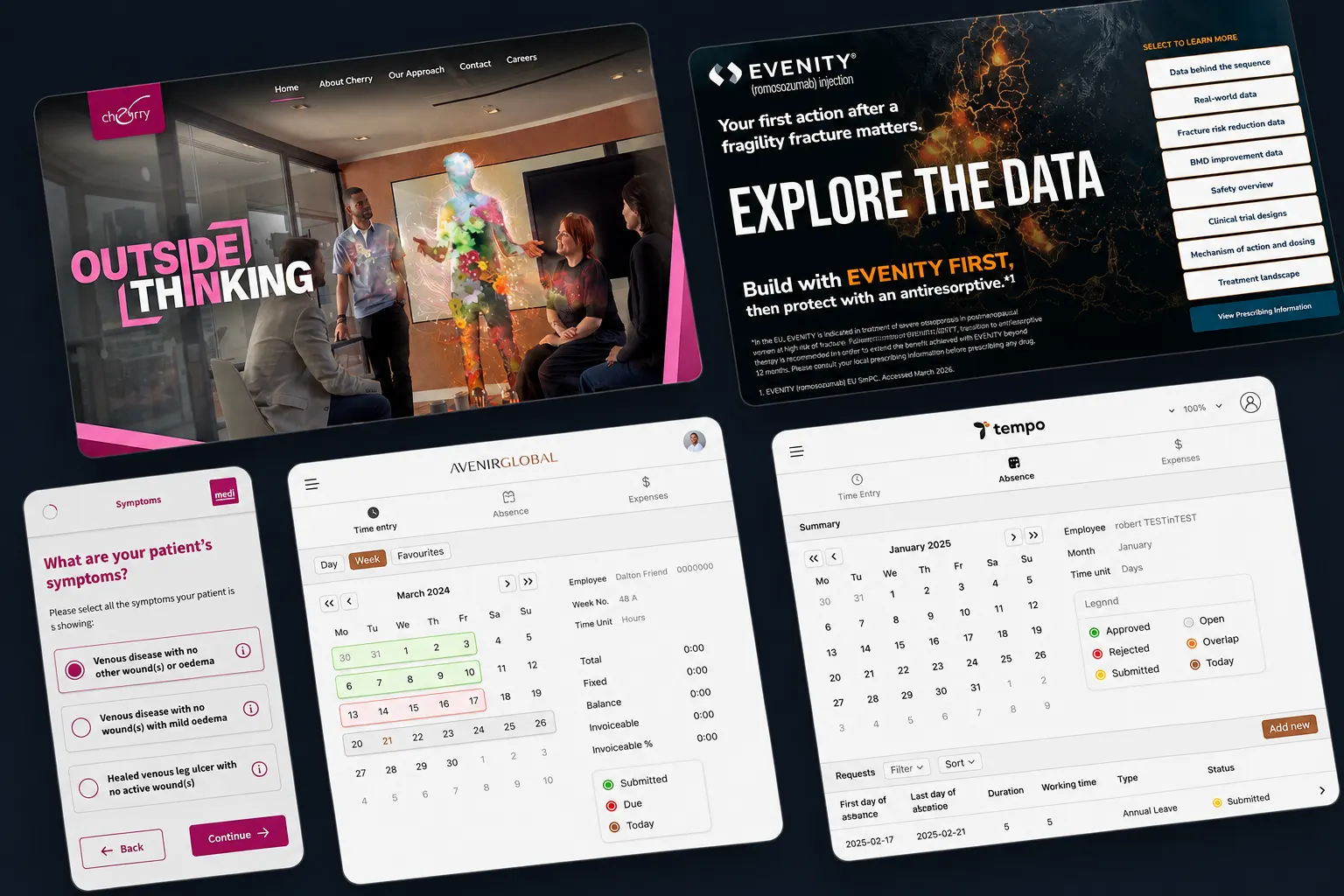
  • Avenir Global work across five screens: the group’s time-entry and absence application, beside client-facing web pages built for its agencies

    Avenir Global

    Desktop applications and AI for a communications group

Tell us what you’re building.

The complex, the critical, the bold. We’ll tell you how we’d ship it.